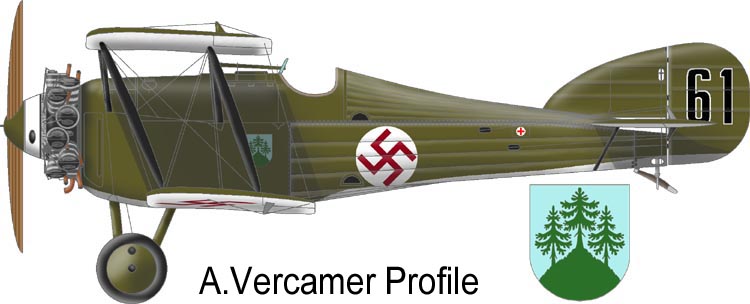
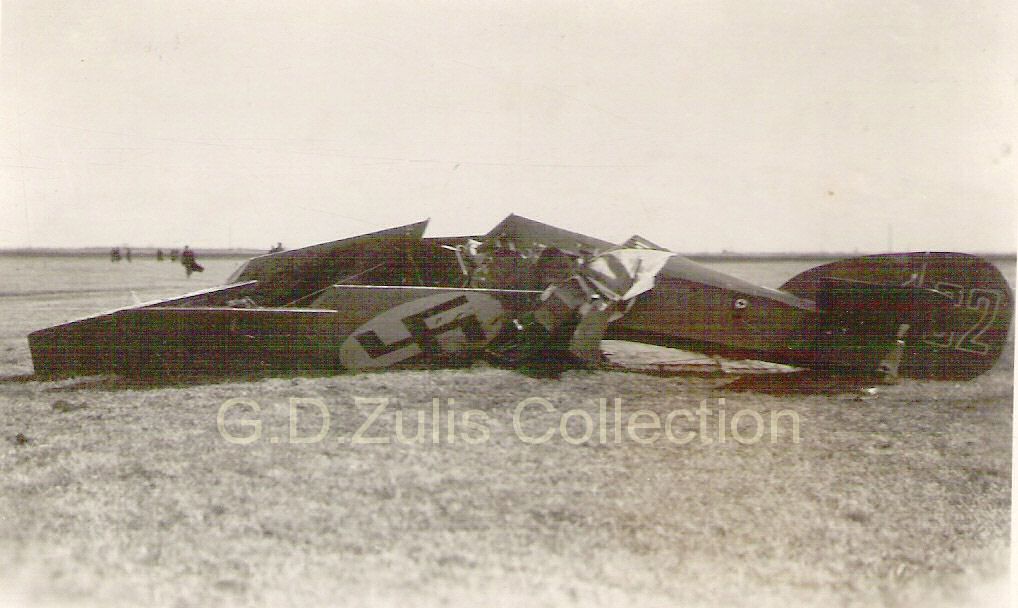
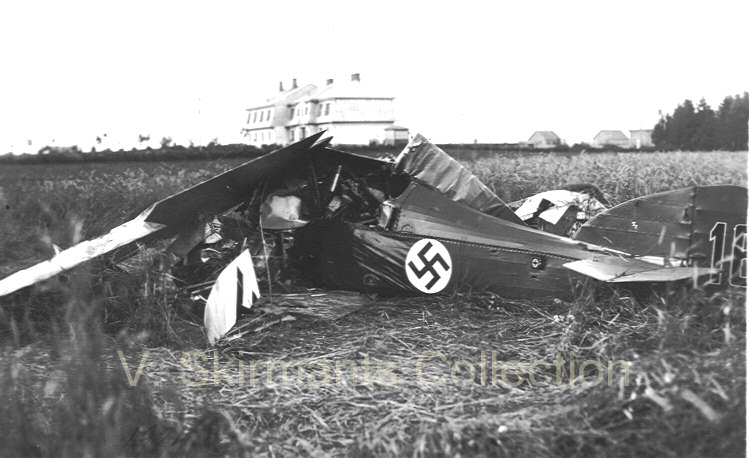
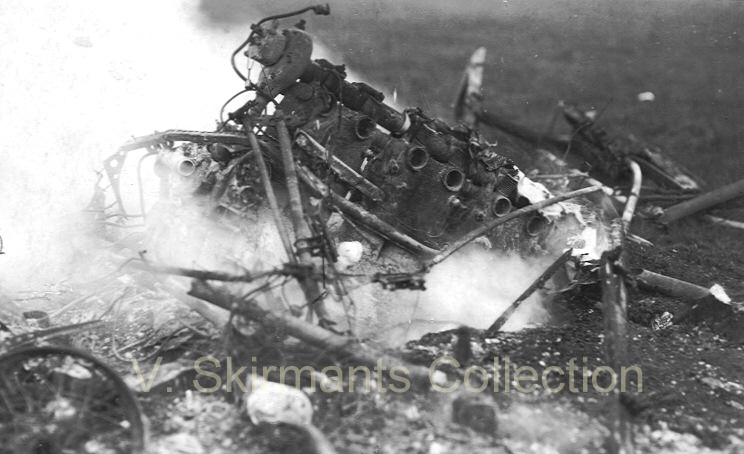
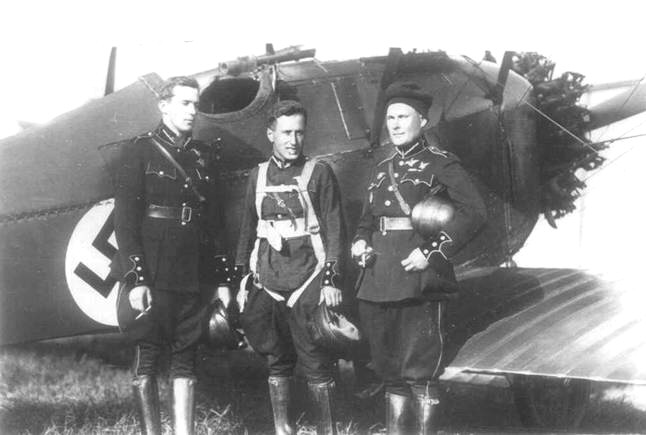
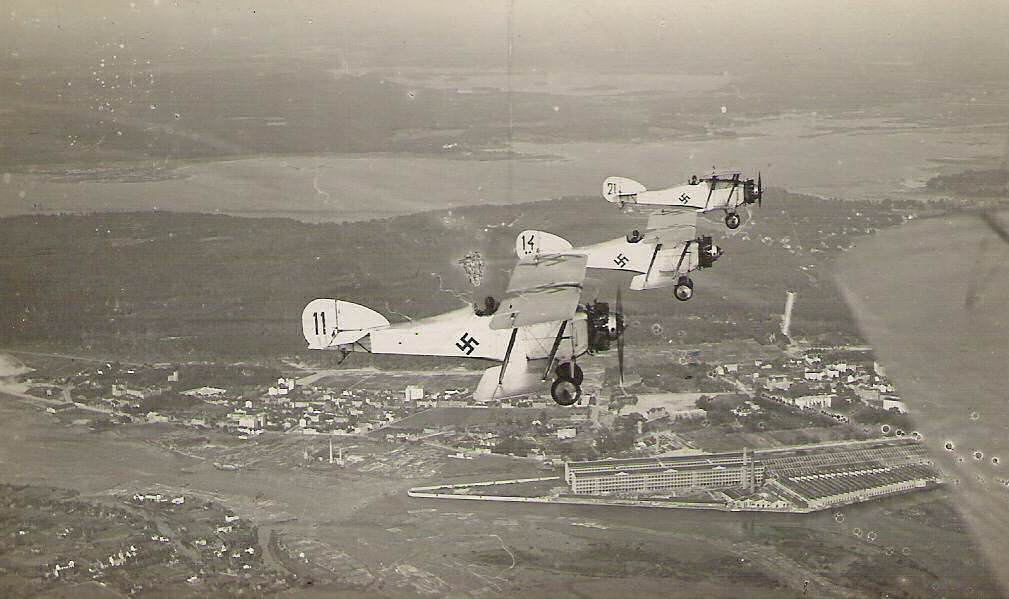
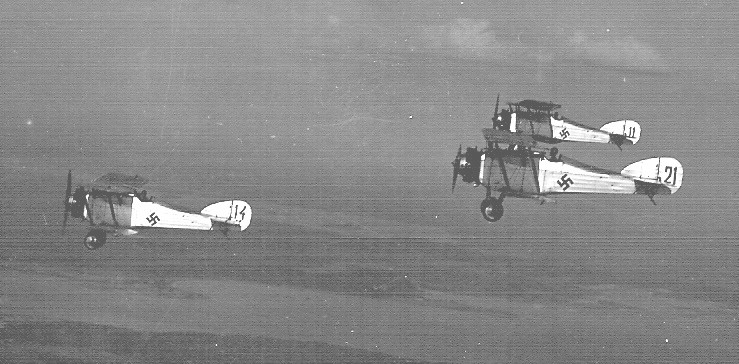
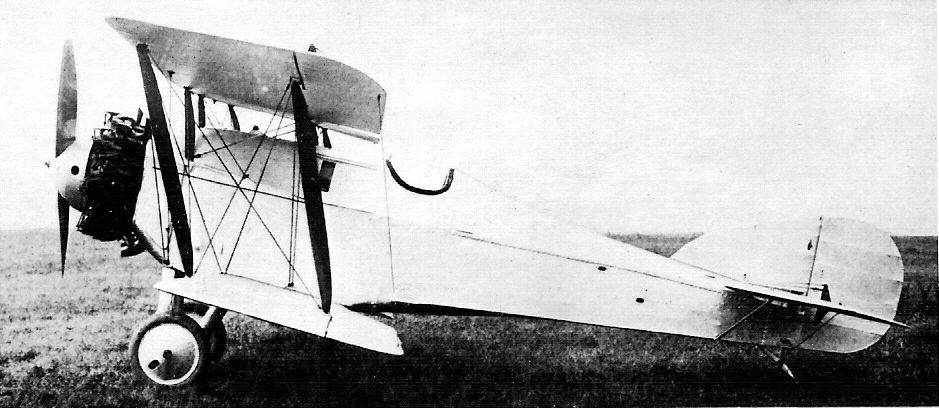
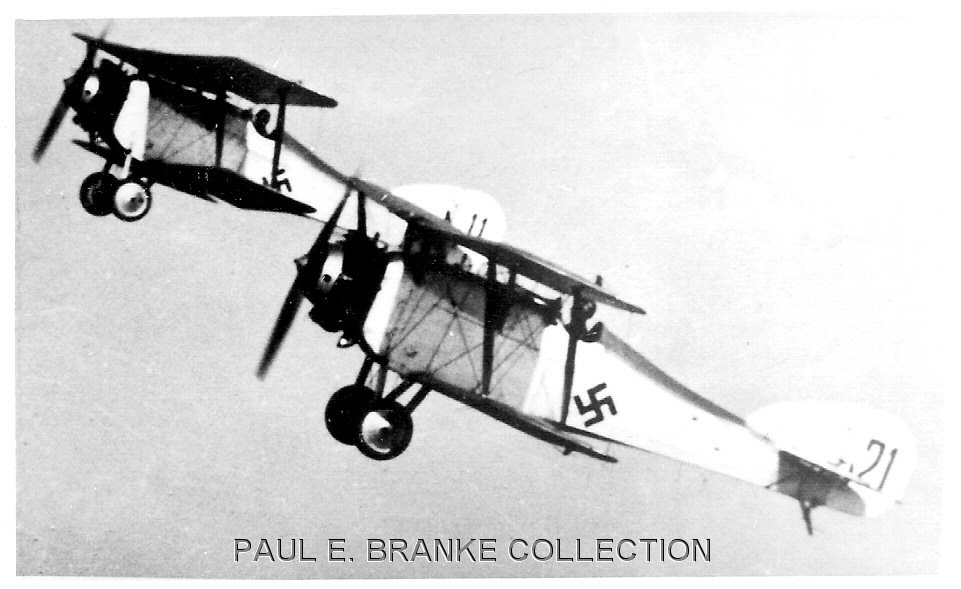
Source: ADC, Great Britain. One aircraft, no.62, appears to have been built in Latvia from the spare parts and the remains of damaged aircraft.
Acquired: August, 1926
Type: fighter
Engine: Armstrong Siddeley Jaguar 425 hp
Dimensions
Length: 7.66 m
Wing Span: 9.98 m
Height: 2.8 m
Max Speed: 261 km/hr
Range:
Maximum Ceiling: 3500 m
Known Serial Numbers: 11, 14 (14K), 15K, 16, 21, 24, 60. 61. 62, 64, 66
(In total, there were only ten aircraft, so obviously there has been some re-numbering of the original nine plus one rebuild)
Notes
August 30, 1926 - Nikolaj Bulmanis' log book shows a flight in "ADC No.1". Noting that this is very shortly after the
aircraft were received, this may refer to a pre-Latvian serial number, or might be a transcription error.
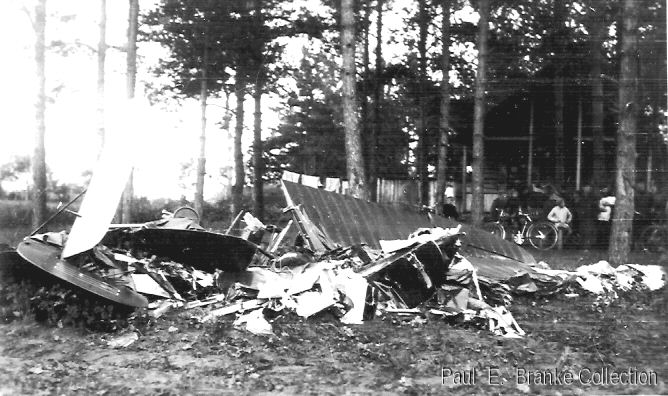
September 13, 1928 - pilot Peteris Lodzins is seriously injured in a crash caused by mechanical
failure. The plane (serial number unknown) spun to the ground.
1935 - in an attempt to standardize the aircraft types by function, the ADC.1 is given the code "D1"
July 28, 1938 - Pilot Gudermanis is saved by his parachute when an ADC.1 (serial number unknown)
comes apart in mid-air.
#11
1928 (summer) - pilot J.Abolins damages the starboard wing landing near Krustpils when he strikes a tethered horse.
Sept.10, 1930 - test flown and returned to service.
August 29, 1931 - pilot August Lapins is killed in a training accident.
#14 (14K)
August 21, 1928 - nosed over when being flown by Alfons Linins. Not repaired, eventually written off.
#15K
March 15, 1928 - aircraft was damaged in a ground incident when pilot Ustups collided his
Letov S.16 with the (parked) ACD.1 and another Letov.
#16
May 13, 1929 - test flown and returned to service.
December 7, 1931 - crashed by Krastins when taking off.
November 9, 1933 - crashed at Salaspils by Dimze.
July 20, 1934 - 1st Lt. Teodors Svanbergs dies when he hits a telephone pole while flying ADC #16.
#21
August 18, 1927 - aircraft is destroyed in a fatal crash at Spilve. While performing
aerobatics the pilot (Janis Vistucis) went into a spin at an altitude of about 1,000 metres.
He came out of the spin, and then immediately went into a spin in the opposite direction. He
did not recover from the second spin. It is unknown if the spins were intentional (as practice
for spin recovery) or the cause of some mechanical failure.
#24
#60
November 17, 1930 - tested and returned to service.
July 19, 1931 - aircraft crashes, pilot (Janis Rucelis) is injured when, while flying low,
he collides with a ferry cable stretched across the Daugava at Koknese. The aircraft was salvaged, repaired, and returned to service..
May 19, 1933 - tested and returned to service.
1933 - appears on the roster of the 2nd Fighter Squadron.
July 31, 1936 - tested and returned to service.
July 31, 1937 - crashed and repaired.
#61
January 24, 1930 - tested and returned to service.
November 11, 1930 - force-landed in a ditch by Nikolajs Bulmanis.
July 1, 1931 - nosed over by pilot Lodzins.
June 17, 1932 - crashed on landing at Daugavpils by pilot Kleinbergs.
May 19, 1933 - tested and returned to service.
1933 - appears on the roster of the 2nd Fighter Squadron.
September 5, 1934 - crashed and subsequently repaired. (Sleiters somersaulted it when landing at Daugavpils).
May 1937 - appears on the roster of the 1st Fighter Squadron.
June 1937 - appears on the roster of the 2nd Fighter Squadron.
#62
This aircraft was reportedly built either under license or, more likely, from spare parts and parts from other destroyed aircraft.
July 3, 1930 - nosed over by pilot Lodzins.
September 15, 1930 - crashed by Nikolajs Balodis.
November 13, 1930 - tested and returned to service.
June 10, 1932 - somersaulted by Alfreds Ozolins.
October 20, 1932 - while landing at Jurmala, pilot Kleinbergs rips off the undercarriage.
1932 - appears on the roster of the 2nd Fighter Squadron.
April 24, 1933 - crashed at Riga by D.Timmermanis. Not repaired, subsequently written off.
#64
1932 - appears on the roster of the 2nd Fighter Squadron.
#66
October 1, 1929 - tested and returned to service.
1933 - appears on the roster of the 2nd Fighter Squadron.
November 16, 1933 - crashed by Janis Udentins.
August 6, 1934 - crashed and subsequently repaired. (taxiing accident with Karlis Skribo as pilot)
July 5, 1935 - overhauled and returned to service.
September 1, 1935 - again repaired, test flown and returned to service.
July 5, 1937 - test flown and returned to service.
September 22, 1937 - crashed at Carnikava by Emils Briedis.
January, 1938 - appears on the roster of the 2nd Fighter Squadron..
October, 1938 - appears on the roster of the 3rd Fighter Squadron.
Sources
- Bruvelis, Edvins Latvijas Aviacijas Vesture
- Irbitis, Karlis Of Struggle and Flight
- Sanger, Ray The Martinsyde File